Divorce sale
Selling a house during a divorce.
A direct offer gives both owners one written option to consider without preparing the house for public showings. The sale still depends on the required approvals and signatures.
A direct offer can give both owners one written option to review without preparing the house for public showings. It does not settle disagreements or replace either person's attorney.
If a buyer makes an offer, both owners can review the same price, conditions, and proposed date. The deed, any court orders, the attorneys, and the title company determine who must approve and sign the sale.
Good to know: Legal and financial details vary by situation. This page offers general information, not legal or tax advice. Talk with a qualified Illinois professional about your circumstances before signing an agreement.
What we do
Consider a direct sale
A direct offer does not require the owners to choose a listing agent. It also does not settle questions about ownership, consent, signatures, or how the proceeds are divided. The owners' attorneys and the title company should address those issues.
Avoid public showings
A direct sale may use one scheduled visit instead of public open houses and repeated listing showings. Everyone should agree on access and know who will attend before the visit.
Keep the buyer and legal roles separate
A buyer is not either owner's attorney, mediator, or advocate. The buyer should follow any communication or signing instructions provided by the owners and their attorneys.
Court orders, settlement documents, and closing instructions determine who may sign and how the proceeds are divided. The offer should clearly state the buyer, price, date, and conditions.
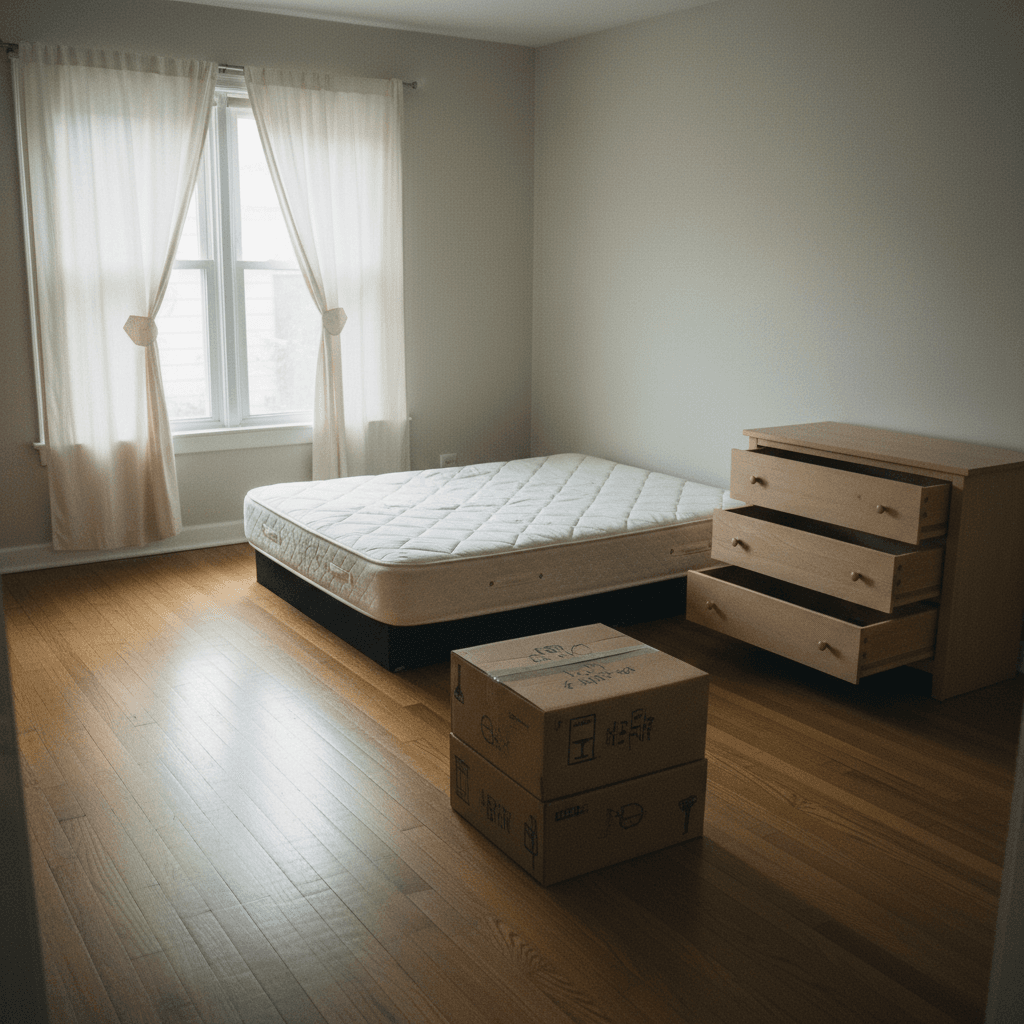
No repairs. No cleanup.
- As-is
- No showings
- You pick the closing date.
Common questions
Common questions about the sale.
Can a cash sale close before our court date?
Share the date right away. Your attorneys, the title company, and the buyer will need to check the required approvals and timing before anyone can say whether that date is realistic.
We can't agree on a listing agent. Does this work for both of us?
A direct offer can remove the need to choose a listing agent, but both owners still need to follow any court orders and legal requirements. Your attorneys can explain who must approve and sign the sale.
Do both of us have to be there for the walkthrough?
Not necessarily. One person may be able to provide access with the other owner's permission. Follow any court order or attorney instruction, and do not assume one spouse can speak for the other.
How does signing work if we're not on speaking terms?
Separate or remote signings may be possible. Ask your attorneys and the title company what they can arrange before relying on different rooms, dates, or locations.
Can you work with our mediator or attorney?
Yes, when everyone authorizes it. We and the buyer can follow written communication instructions from your attorneys or mediator. Each owner should continue to rely on their own legal advice.
What if one of us wants to sell and the other doesn't?
A buyer cannot resolve that disagreement. Your attorneys can explain what the deed, settlement terms, and any court orders require before a sale can move forward.
How are the proceeds split at closing?
The closing agent follows the settlement terms, court orders, and other approved written instructions. Review the final settlement statement with your attorney before signing.
What about the mortgage in both names?
The closing company will request a current payoff and include it in the settlement figures. If the sale proceeds do not cover the mortgage and other claims, another lender-approved solution may be needed.
Related situations
- Inherited houseStart before probate or the family cleanout is finished.
- ForeclosureStart early and find out whether there is enough time to sell before the scheduled date.
- Sell as-isStart with the house in its current condition. No repairs or listing preparation before you ask for an offer.
- House with heavy clutterStart without a full cleanout. Tell us about blocked rooms, hazards, and anything you hope to leave.
- Rental propertyStart with the lease and the property as it stands, whether you live nearby or out of state.
A simple first step
Ready to talk about the house?
In any condition.
Start with the property address and tell us a little about the house. We will explain what happens next.
Prefer to talk?
Call 224-219-0970