A real sale
A home with an odor violation, pests, and a city citation.
How a home with open association violations and a city court date sold in under four weeks, what the paperwork said, and what we took on after closing.
By Todd Bennett, owner · Updated
What happened
- A home had an open association violation for pet odor, a pest problem that had spread into shared areas, and a city citation for rubbish with a court date.
- The owner reached out, we walked the home and made an offer, and we closed about three and a half weeks after the first call.
- We bought it as-is and took over the open issues with the city and the association. The owner paid his own fines.
- Nothing had to be cleaned, treated, or repaired before the sale.
General information about Illinois law, not legal advice. Talk with a qualified Illinois attorney about your situation before you sign anything.
Where things stood
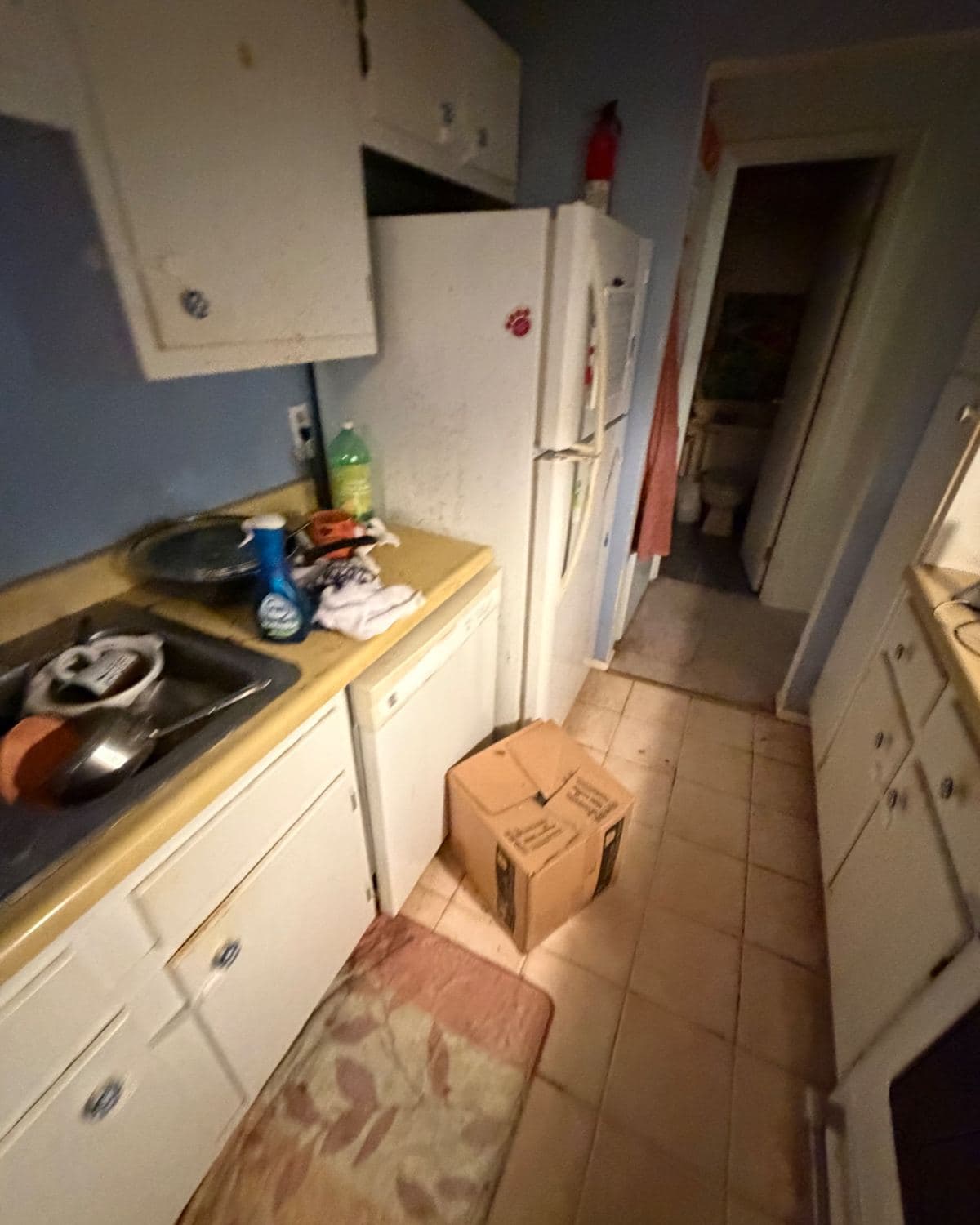
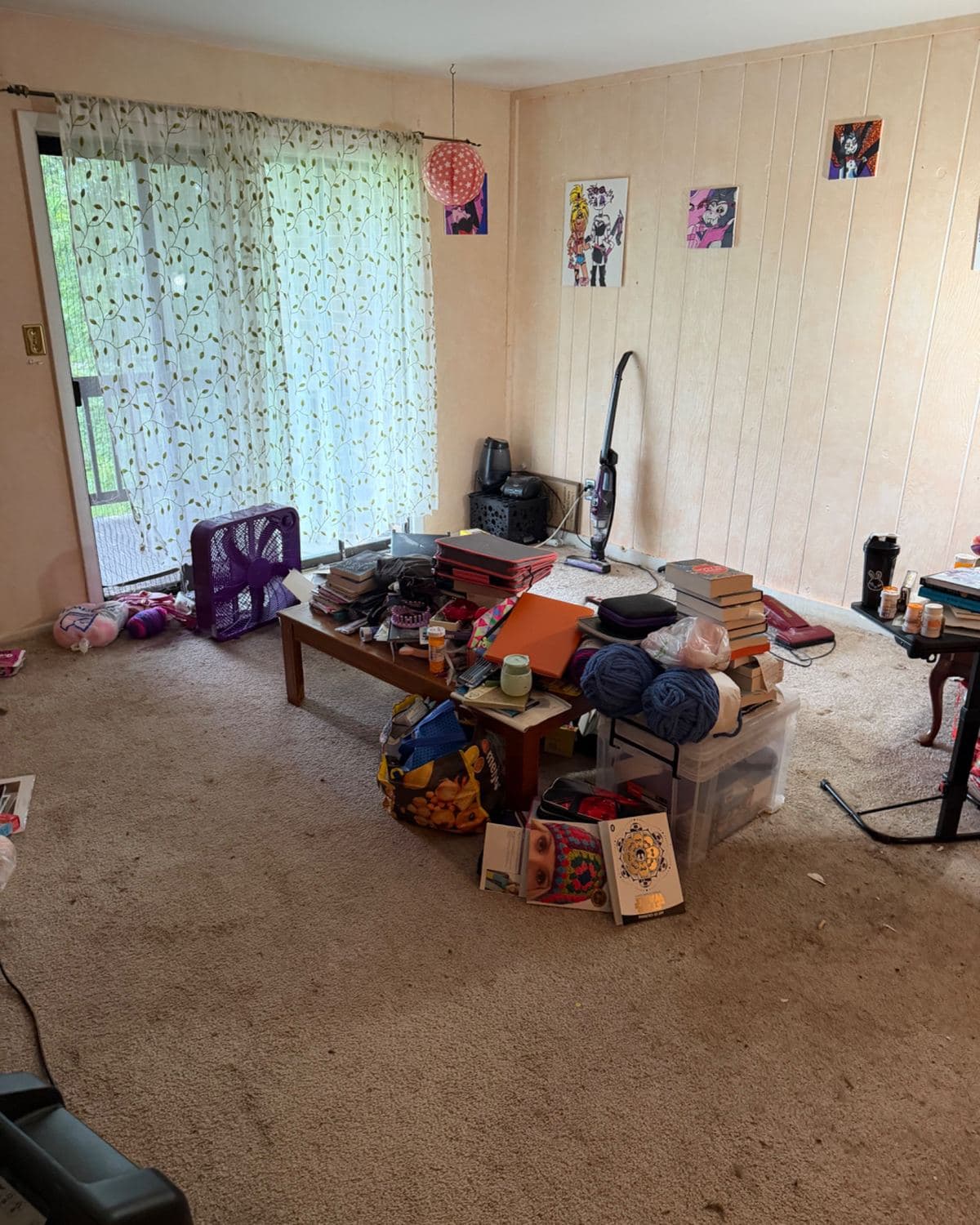
The home had a strong pet odor, trash, and belongings in every room. The owner was dealing with two separate cases at once.
The association. The owners association had issued a nuisance violation requiring cleaning and remediation of pet odors. By the time we asked for the closing paperwork, the board had added more: an insect infestation had spread from the home into shared areas, and the board required licensed pest-control treatment of the home and the affected areas. Management also reported that the heating and cooling system wasn't working properly.
The city. Separately, the city had issued a citation for the storage and disposal of rubbish, marked "must appear," with a hearing date already set.
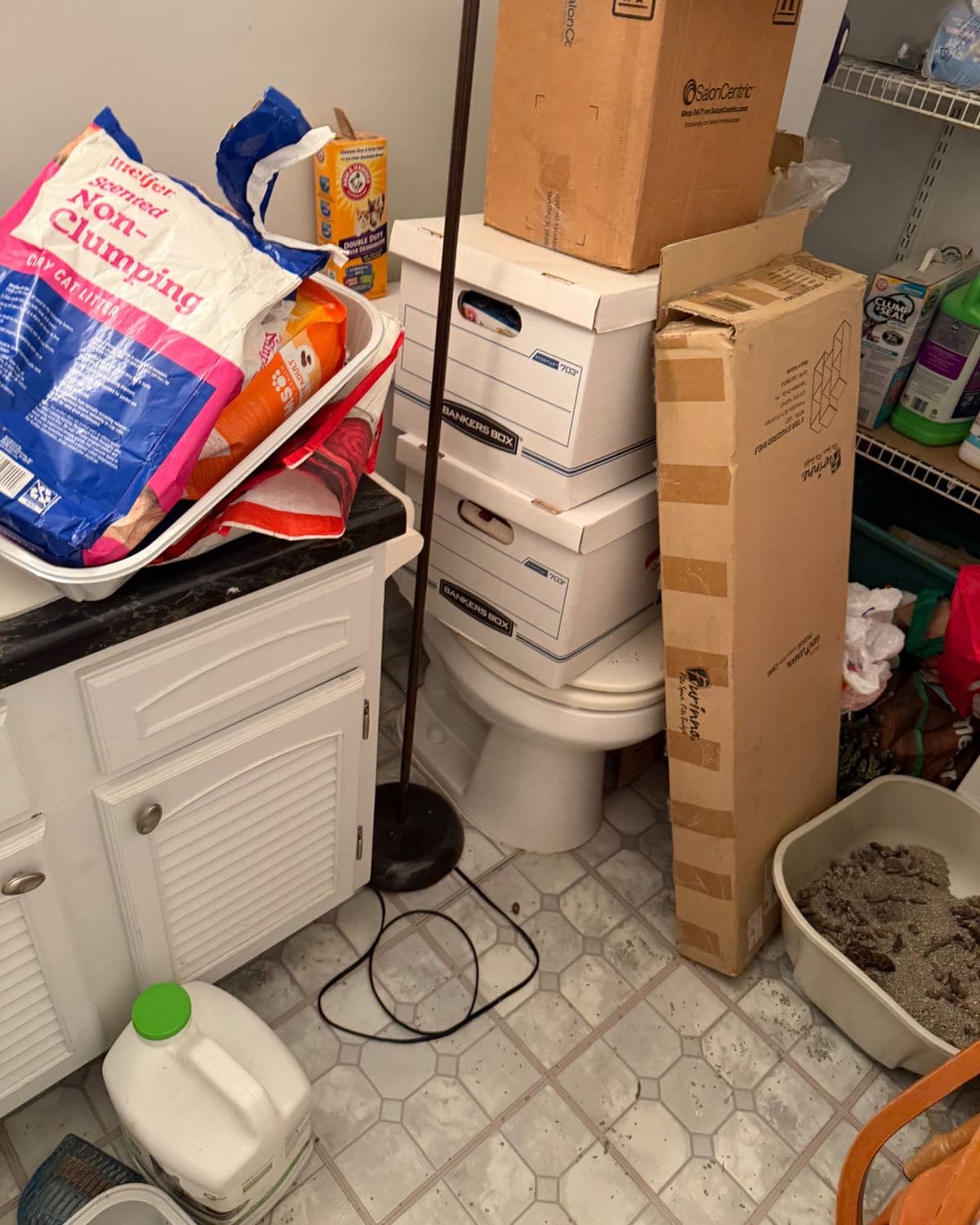
Why a regular sale was hard
A listing means showings, and the odor would have met every buyer at the door. A buyer using a mortgage would also be buying the open violations: the association's closing letter said that anything unresolved at closing becomes the new owner's responsibility. Most retail buyers either price that in heavily or walk away.
The paperwork that decided it
The association's management company held its resale documents until the owner uploaded a "conveyance document." That turned out to mean proof of the pending sale, the signed purchase contract, not something an attorney had to draft.
The resale documents listed the odor violation. The association's closing letter, which came separately, added the pests and the heating and cooling problem. It also said any amount the seller didn't pay would move to the new owner's account.
We read all of it before closing. That's the only way to know what you're actually taking on.
Open violations on your home?
See what it could sell for as-is.
No cleanup, treatment, or repairs first. Tell us what the letters say when we talk, and any offer comes in writing for you to review with no obligation.
Who took on what
We bought the home as-is and took over the open issues with the city and the association: the cleanup, the pest treatment, the heating and cooling service, and getting both cases closed out. The owner paid his own fines.
That split matters. The violations came with the home. The fines didn't. A buyer can take on the work of fixing a problem, but the money already owed for it is a separate question, and it should be settled in writing and show up on the closing statement.
What we're doing now
The plan, which started the day we closed:
- A full clean-out, with a haul-away crew.
- Carpet out, and the subfloor sealed and treated for odor.
- Licensed pest-control treatment for the home, coordinated with management for the shared areas.
- The heating and cooling system repaired, cleaned, and inspected, with the report kept for the association.
- Written closure from the association and from the city.
We'll add after photos here when the work is done.
If you're in the same spot
- Read every letter for a hearing date or a deadline, and go to any hearing you're told to attend.
- Ask the association's management company for its resale documents in writing as soon as you're thinking about selling, and ask exactly what they need from you to release them.
- Get the closing or paid-assessment letter early. It can say more than the resale documents do.
- Keep fines and violations separate in your head. Expect to settle what you owe; the open conditions are what a buyer can take over, if the agreement says so.
- Don't clean, treat, or repair first just to ask what the place is worth.
A cash offer is usually below what a fully repaired home would bring on the open market. What you get in return is not fixing anything first and not carrying the violations into a listing. If that's the trade you're weighing, here's how to sell a house with code violations or open association letters.
Common questions
Quick answers.
Can you sell a home with an open association violation?
Yes. This one sold with an open odor violation, a pest complaint that had reached shared areas, and a city citation. The buyer read the association's documents first and took over the open issues after closing, as the agreement said.
Who pays the fines when a home with violations sells?
Typically the seller, since it's money already owed. In this sale the owner paid his own fines, and we took over the work of fixing the conditions. Unpaid association fines can become a lien on the property, so they have to be dealt with at closing either way.
Did the owner have to clean or treat for pests first?
No. We bought the home as it stood. The clean-out, pest treatment, and heating and cooling service all started after closing.
How long did the sale take?
About three and a half weeks from the first call to closing. A good part of that time went to getting the association's documents, which is worth starting early.
Keep reading
- Sell a house or condo with code violationsHow a sale works with city notices and association letters open.
- What do you have to disclose when selling in Illinois?The full disclosure report, plus radon and lead paint.
- Do you have to disclose pests in Illinois?Mice, roaches, bed bugs, termites, and odors on the report.
A simple first step
Ready to talk about the house?
In any condition.
Start with the property address and tell us a little about the house. We will explain what happens next.
Prefer to talk?
Call 224-219-0970